Living with Degenerative Disc Disease: Proven Strategies for Lasting Pain Relief
Nov 05, 2026
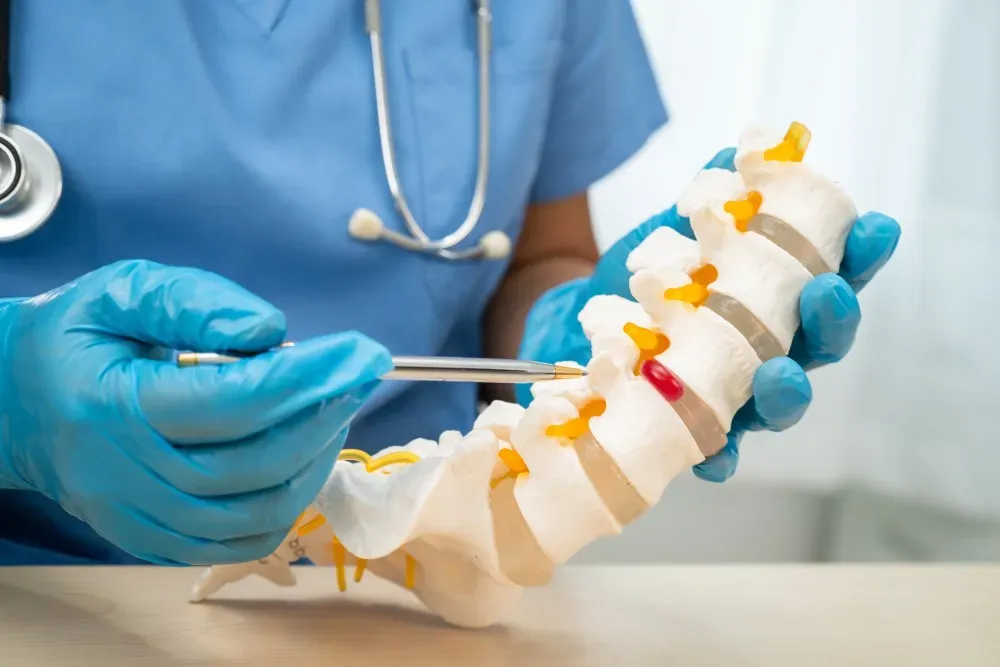
Lower back pain that refuses to go away, varies in intensity, and worsens when you bend, stretch, stand, or sit could be caused by degenerative disc disease, or DDD. DDD is a spinal condition that involves changes to the discs between the bones of your spine. As you age, degeneration sets in, compromising the integrity of your spine.
At Seattle Spine Institute in Seattle, Washington, we have a team of experienced spine specialists. Degenerative disc disease is one of the most common age-related conditions we see regularly.
Spinal discs are similar to jelly-filled doughnuts. Your spinal bones are stacked in a column, alternating with one of these cushiony discs between each set. Over time, the discs begin to dry out and become brittle, and can even split, letting some of the gel inside leak out.
Flattened, bulging, or leaking discs can cause inflammation, pressure, and pinching of the nerves in the spinal canal. These side effects of degenerative disc disease result in symptoms like inflammation, pressure, stiffness, and pain.
Not everyone notices signs of DDD until it is well-progressed. Others start experiencing pain, stiffness, and soreness early in life, often precipitated by a lower back injury that causes a disc to rupture or bulge.
A spine specialist can review your symptoms and discuss a treatment plan based on your specific needs, and you can also use lifestyle changes to battle symptoms of degenerative disc disease.
Depending on the type and amount of degeneration you’re experiencing, treatment options range from conservative (physical therapy, epidural injections) to surgical (disc removal or replacement, spinal fusion). There are also many ways you can make subtle changes to your life to help reduce and manage your pain symptoms.
When you have DDD, you have to walk a careful line between doing too much and not doing enough. Being active is critical to maintaining mobility and flexibility, and can relieve stiffness and associated pain. However, if pain increases as you move rather than slowly decreasing, don’t push through. Take a break, and resume activity later.
Also consider strength-building activities to strengthen the muscles around your spine and improve your core’s stability. Walking, swimming, and other low-impact activities are ideal. Your physical therapist can create an exercise program and modify activities for you so you can get a good workout without risking further injury or aggravation to your sore back.
Sitting or standing for long periods leads to stiffness and inflammation. Switch things up every 15 minutes or so, and take a minute to walk around your workspace a few times every hour. Adjust your workstation so that you don’t slump or crick your neck when working at a computer, and use ergonomic accessories to support your entire body.
If you are carrying a little extra weight, talk to your doctor to determine which weight management program could work best for you. Every pound you take off makes it easier to move around and takes pressure off of your spine and your legs. You don’t have to go on a crash diet or give up all the foods you love. Just make gradual changes to get healthier.
In addition to lifestyle changes, there are plenty of things we can do to help reduce pain and make living with DDD less uncomfortable and limiting. Depending on your symptoms and medical history, we may recommend:
Although these treatments can help manage symptoms, they can't reverse disc degeneration. Our specialists can go a step further by removing or replacing severely damaged discs, or fusing sections of your spine, but you’ll always have DDD. We’re here to talk you through your options and expectations.
Want to know more? You can schedule an appointment at our Seattle, Washington, office by calling 206-322-1765 or contacting us online today.